
Starting a psychiatric medication can bring a mix of emotions. Some people feel hopeful that treatment may finally make daily life more manageable. Others worry about side effects, becoming dependent on medication, taking the wrong medication, or having to stay on treatment indefinitely. It is also common to wonder, “How will my provider know whether this medication is actually working?”
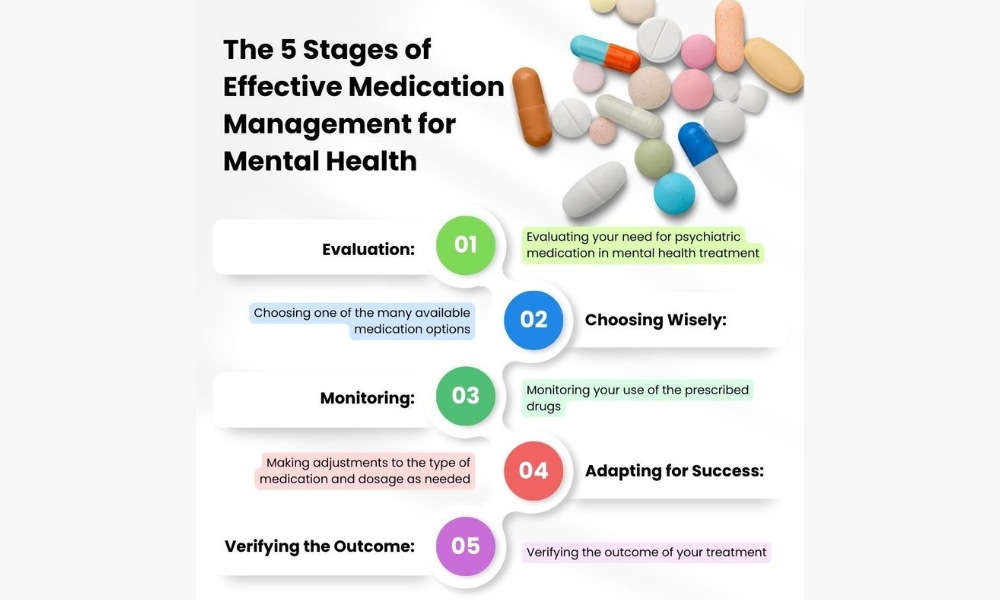
Psychiatric medication management is designed to answer those questions while keeping treatment focused on your individual needs. It is not simply a matter of writing a prescription and asking you to return months later. Good medication management involves understanding your symptoms, reviewing your medical and psychiatric history, considering previous treatment experiences, monitoring your response, watching for side effects, and making thoughtful adjustments when necessary.
Table of Contents
- Quick Answer: What Is Psychiatric Medication Management?
- Key Takeaways
- What Does Psychiatric Medication Management Involve?
- What Happens During the First Medication Evaluation?
- Why Does Your Provider Review Your Current and Previous Medications?
- How Are Medication Benefits, Risks, and Side Effects Evaluated?
- How Do You Know If Psychiatric Medication Is Working?
- Why Might a Psychiatric Medication Need to Be Changed?
- How Often Do You Need Medication Management Appointments?
- What If You Forget to Take Your Medication?
- Can Medication Management Be Combined With Therapy?
- What Mental Health Conditions May Require Medication Management?
- When Should You Contact Your Psychiatric Provider About Side Effects?
- When Is a Mental Health Symptom an Emergency?
- How Can You Prepare for a Medication Management Appointment?
- Psychiatric Medication Management in Sugar Land, TX
- Frequently Asked Questions
- Final Thoughts
Important Note
Finding the right psychiatric treatment can take time, and needing a medication adjustment does not mean treatment has failed. Mental health symptoms can change with stress, sleep, medical conditions, life circumstances, and other factors. Understanding how medication management works can help you feel more prepared, recognize changes worth discussing, and take a more active role in your care.
Quick Answer: What Is Psychiatric Medication Management?
Psychiatric medication management is an ongoing process in which a qualified mental health provider evaluates symptoms, reviews medications, monitors effectiveness and side effects, and adjusts treatment when appropriate. The goal is to find a safe and effective treatment approach that fits the person's symptoms, medical history, lifestyle, treatment preferences, and overall mental health needs.
Medication management may involve starting a medication, continuing a medication that is working well, changing a dose, switching medications, stopping a medication safely when appropriate, or combining medication with psychotherapy and other forms of support. The exact approach depends on the individual rather than following a single standard prescription plan.
Key Takeaways
- Psychiatric medication management involves much more than receiving a prescription.
- Your provider considers your symptoms, medical history, previous medications, other treatments, and treatment goals.
- Medication response and side effects are monitored over time.
- A medication or dosage may need to be adjusted when benefits are limited or side effects become problematic.
- Medication should be taken exactly as prescribed unless your provider gives different instructions.
- Psychotherapy and medication can sometimes work together as part of a broader mental health treatment plan.
- Severe or rapidly worsening symptoms should be discussed promptly with a qualified healthcare professional.
What Does Psychiatric Medication Management Involve?
Psychiatric medication management is a continuing clinical process rather than a one-time appointment. At the beginning, your provider works to understand what you are experiencing and what may be contributing to your symptoms. After treatment begins, follow-up visits provide an opportunity to determine whether the plan is helping.
For example, someone seeking care for depression may notice that their mood is improving but their sleep remains poor. Another person may experience fewer panic symptoms but still struggle with constant worry. Someone receiving treatment for ADHD may become more focused but experience an unwanted change in appetite or sleep. These details matter because psychiatric treatment is rarely about one symptom in isolation.
Medication management allows your provider to look at the bigger picture. Instead of asking only, “Is the medication working?” the discussion may involve questions such as: What has improved? What has not changed? Are there new symptoms? Are side effects affecting daily life? Are you taking the medication consistently? Have other medications or health conditions changed?
This ongoing conversation helps your provider make informed treatment decisions rather than relying on assumptions.
What Happens During the First Medication Evaluation?
The first appointment typically focuses on understanding your mental health concerns and determining what type of treatment may be appropriate. You may be asked about your current symptoms, how long they have been present, how they affect work or school, relationships, sleep, appetite, concentration, energy, and everyday functioning.
Your provider may also ask about previous psychiatric diagnoses and treatments. If you have taken psychiatric medications before, it can be helpful to discuss which medications you tried, how long you took them, whether they helped, and whether you experienced side effects.
Your medical history is also important. Certain physical health conditions, medications, substances, sleep problems, and other factors can affect mood, concentration, anxiety, energy, or sleep. A thorough evaluation helps the provider consider these possibilities rather than automatically attributing every symptom to a psychiatric disorder.
You should also have an opportunity to discuss what you hope treatment will accomplish. Maybe you want to feel less overwhelmed, sleep more consistently, concentrate at work, reduce panic attacks, manage mood changes, or regain interest in activities you once enjoyed. These goals help give medication management a practical direction.
Why Does Your Provider Review Your Current and Previous Medications?
Medication history can reveal information that is difficult to identify during a first conversation. A medication that helped in the past may provide useful context. A medication that caused significant side effects may influence future treatment decisions. Even medications that did not work may help your provider understand how your symptoms have responded to previous approaches.
Your provider may also review non-psychiatric medications, supplements, and other substances you use. This matters because medications can interact with one another, and some substances may affect mood, anxiety, sleep, alertness, or medication response.
If you already take psychiatric medication, your provider may ask how consistently you take it and whether anything makes it difficult to follow the treatment plan. Forgetting doses, changing the schedule independently, or stopping medication because you feel better can sometimes affect symptoms or produce unwanted effects.
That does not mean you should feel embarrassed if medication adherence has been difficult. The purpose of discussing it is to identify the problem and find a realistic solution.
Honest communication is one of the most important parts of medication management. Your provider can make better decisions when they know what you are actually taking and how you are responding to it.
How Are Medication Benefits, Risks, and Side Effects Evaluated?
Every medication has potential benefits and potential risks. Psychiatric medication management involves considering both rather than focusing only on whether symptoms improve.
During follow-up appointments, your provider may ask about changes in mood, anxiety, concentration, sleep, appetite, energy, physical symptoms, and daily functioning. You may also be asked whether you have noticed changes that you did not expect.
Some side effects may be mild and improve as the body adjusts. Others may persist or interfere with everyday activities. The appropriate response depends on the medication, the symptom, the severity of the side effect, and the individual's overall health.
For example, if a medication is helping significantly but causing a troublesome side effect, your provider may consider whether adjusting the dose, changing the timing, switching medications, or using another strategy makes sense. You should not make these changes independently because some psychiatric medications require careful dose adjustments.
The goal is not necessarily to eliminate every possible side effect. Instead, treatment decisions involve weighing expected benefits against potential risks and finding an approach that is appropriate for the individual.
How Do You Know If Psychiatric Medication Is Working?
Improvement is not always dramatic. Sometimes the first sign that treatment is helping is simply that something feels a little easier.
You might notice that you are sleeping more consistently, getting through your workday without feeling completely overwhelmed, experiencing fewer panic symptoms, concentrating for longer periods, or finding yourself interested in activities again. Family members or close friends may notice changes before you do.
Other times, there may be little improvement. That information is just as important.
Psychiatric medications can work differently from person to person, and response can depend on the diagnosis, medication, dose, duration of treatment, other health conditions, and individual biology. This is why follow-up appointments matter. They allow your provider to evaluate the overall pattern instead of judging treatment based on one difficult day.
Keeping track of symptoms between appointments can also help. You do not need a complicated journal. A simple record of sleep, mood, anxiety, concentration, medication timing, and noticeable side effects may give you useful information to discuss with your provider.
Why Might a Psychiatric Medication Need to Be Changed?
Medication changes are common in psychiatric care and do not automatically mean something has gone wrong.
A provider may consider changing a medication if symptoms have not improved enough, side effects are difficult to tolerate, the medication is no longer providing the same benefit, another health condition has developed, or a different treatment approach appears more appropriate.
Sometimes the issue is not the medication itself but the dose or timing. In other situations, a different medication may be considered. Your provider may also determine that medication is no longer necessary or that another form of treatment should become a larger part of the plan.
This process can feel frustrating. If you were hoping for a quick answer, having to adjust treatment may feel like starting over. In reality, finding an effective psychiatric treatment plan can involve careful observation and gradual adjustments.
Important Note
Not every difficult day means your medication is failing, and not every new symptom is caused by your medication. At the same time, significant changes should not be ignored. Rather than stopping treatment or changing your dose on your own, discuss your concerns with your psychiatric provider. A professional evaluation can help separate expected changes, medication-related effects, worsening symptoms, and unrelated health concerns.
How Often Do You Need Medication Management Appointments?
There is no single follow-up schedule that works for everyone. Appointment frequency depends on factors such as whether you are starting a new medication, changing a dose, experiencing side effects, managing stable symptoms, or dealing with a condition that requires closer monitoring.
Appointments may be more frequent when treatment is first beginning or changing. Once symptoms are stable and the medication plan is working well, visits may become less frequent. Your provider will determine an appropriate schedule based on your circumstances.
Follow-up appointments are not simply prescription-renewal visits. They are opportunities to evaluate whether treatment remains appropriate. Even when you feel better, discussing your progress helps your provider determine whether the current plan should continue.
What If You Forget to Take Your Medication?
Medication adherence can be difficult, especially when someone is managing a busy schedule, ADHD symptoms, depression, shift work, parenting responsibilities, or other challenges.
If you miss doses, tell your provider rather than trying to hide it. The correct response to a missed dose depends on the medication, how much time has passed, and your individual treatment instructions. Your provider or pharmacist can tell you what to do.
Do not automatically double a dose to compensate for a missed one unless you have specifically been instructed to do so.
If remembering medication is an ongoing problem, bring it up during your appointment. Simple strategies such as using a medication reminder, keeping medication in an appropriate consistent location, or connecting medication time with an established daily routine may help. Your provider can also discuss whether the treatment schedule itself can be made easier to follow.
Can Medication Management Be Combined With Therapy?
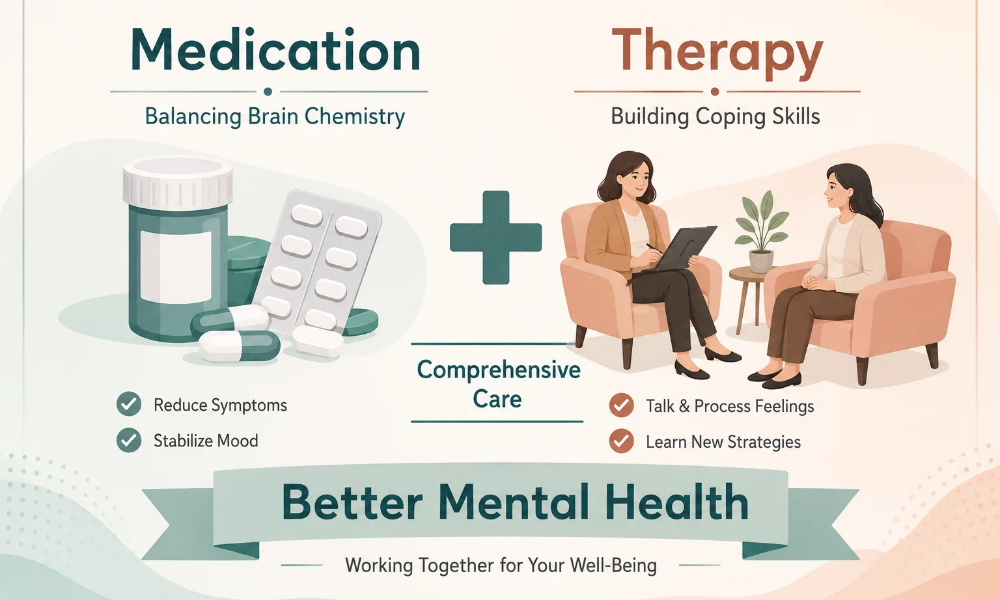
Yes. Medication and psychotherapy are different forms of treatment, and they may be used separately or together depending on a person's needs.
Medication may help address certain biological and psychological aspects of a mental health condition, while therapy can provide a structured environment for developing coping skills, changing unhelpful thought patterns, improving communication, processing difficult experiences, or understanding behavioral patterns.
For some people, combining approaches provides a more comprehensive treatment plan. For others, therapy, lifestyle changes, or another non-medication approach may be appropriate without psychiatric medication.
The important point is that treatment should be individualized. A psychiatric provider can discuss the available options and help determine which approach makes sense based on symptoms, history, preferences, and treatment goals.
What Mental Health Conditions May Require Medication Management?
Psychiatric medication management may be considered for a wide range of mental health conditions. The appropriate treatment depends on the specific diagnosis and the person's symptoms and circumstances.
Conditions that may involve medication management include depression, anxiety disorders, ADHD, bipolar disorder, obsessive-compulsive disorder, PTSD, insomnia associated with mental health conditions, and certain other psychiatric conditions.
For example, someone with ADHD may discuss medication options alongside behavioral strategies and organizational support. Someone experiencing depression may discuss antidepressant treatment and psychotherapy. A person with bipolar disorder may require a different medication strategy focused on mood stabilization.
These examples are not interchangeable. A medication that is appropriate for one condition may not be appropriate for another, which is why an accurate evaluation is an important part of psychiatric care.
When Should You Contact Your Psychiatric Provider About Side Effects?
Contact your provider when you experience a side effect that is persistent, concerning, worsening, or interfering with your ability to function. You should also report unexpected changes in mood, sleep, behavior, or physical symptoms after starting or changing medication.
Do not assume that a troubling reaction is something you simply have to tolerate. Your provider needs to know what you are experiencing so they can determine whether the symptom may be related to the medication and what action, if any, is appropriate.
Some symptoms require urgent medical attention rather than waiting for a routine psychiatric appointment. Severe allergic reactions, serious breathing difficulties, loss of consciousness, severe confusion, or other potentially life-threatening symptoms warrant emergency medical care.
Medication-specific warning signs can vary considerably, so your provider should explain what to watch for with your particular treatment.
When Is a Mental Health Symptom an Emergency?
Psychiatric medication management is important, but it is not a substitute for emergency care when someone is in immediate danger.
If you or someone you know is experiencing an immediate mental health crisis, has thoughts of suicide or serious self-harm, has a plan or intent to harm themselves or another person, or cannot remain safe, seek emergency help immediately. In the United States, you can call or text 988 for the Suicide & Crisis Lifeline. If there is an immediate threat to life or safety, call 911 or go to the nearest emergency department.
Do not wait for a routine medication management appointment when a person is in immediate danger.
How Can You Prepare for a Medication Management Appointment?
You do not need to prepare a perfect medical report before meeting with your psychiatric provider. A few practical details can make the appointment much more useful.
Bring or have access to a current list of medications, including psychiatric medications, prescription medications for other conditions, over-the-counter products, and supplements. If you know the medication names and doses, include them.
Think about what has changed since your last appointment. Has your mood improved? Are you sleeping differently? Are anxiety symptoms more manageable? Has your concentration changed? Have you noticed new physical or emotional symptoms?
It is also helpful to identify what matters most to you. Maybe your biggest concern is getting through work without losing focus. Maybe you want to sleep better, reduce panic attacks, manage irritability, or feel motivated again. Your treatment goals give your provider important context.
Finally, write down questions you do not want to forget. You might ask, “What should I expect from this medication?” “How will we know whether it is helping?” “What side effects should I watch for?” or “When should I contact you?”
There is no need to feel uncomfortable asking these questions. Understanding your treatment is part of participating in your own care.
Psychiatric Medication Management in Sugar Land, TX
If you are looking for psychiatric medication management in Sugar Land, Texas, choosing a provider who takes time to understand your symptoms and treatment history can make the process feel more manageable. At Blissz Psychiatry, psychiatric care includes evaluation, medication management, and supportive mental health services designed around individual patient needs.
Medication management may be relevant for people seeking care for conditions such as anxiety, ADHD, depression, bipolar disorder, OCD, PTSD, and other mental health concerns.
If you are already taking psychiatric medication, you can discuss how treatment is going and whether your current plan continues to meet your needs. If you are considering medication for the first time, an evaluation can help you understand what options may be appropriate.
Blissz Psychiatry also provides information about accepted insurance and payment options, which can be useful when planning care.
Ready to Talk About Your Mental Health Treatment?
You do not have to figure out medication management on your own. A psychiatric evaluation can help you understand your symptoms, review your treatment options, and determine what next steps may be appropriate for you.
Book an Appointment With Blissz Psychiatry to take the next step toward personalized mental health care.
Frequently Asked Questions About Psychiatric Medication Management
What is psychiatric medication management?
Psychiatric medication management is the ongoing evaluation and monitoring of psychiatric medications. It can include reviewing symptoms, assessing medication effectiveness, monitoring side effects, adjusting doses when appropriate, changing medications when necessary, and discussing other treatments such as psychotherapy.
What happens at a medication management appointment?
Your provider may ask about your current symptoms, medication use, side effects, sleep, mood, anxiety, concentration, daily functioning, and treatment goals. They may review your medication history and determine whether your current treatment should continue or be adjusted.
How long does psychiatric medication management take?
The length of an appointment varies depending on whether it is an initial evaluation or a follow-up visit and how complex your treatment needs are. A first evaluation may require more time because your provider needs to understand your psychiatric and medical history before developing a treatment plan.
Can psychiatric medication management be done online?
Telepsychiatry can provide medication management for eligible patients when remote care is clinically appropriate and permitted by applicable requirements. Your provider can determine whether an online appointment is suitable for your specific needs or whether an in-person evaluation is necessary.
Do I have to take medication forever?
Not necessarily. The appropriate duration of psychiatric medication varies by diagnosis, symptoms, treatment response, recurrence risk, and individual circumstances. Never stop psychiatric medication abruptly without discussing it with your prescribing provider, because some medications require gradual dose changes.
Can I take psychiatric medication and go to therapy?
Yes. Medication and psychotherapy can be used together when clinically appropriate. Medication may address certain symptoms while therapy can help with coping strategies, behavior patterns, emotional processing, communication, and other areas of mental health.
What should I tell my psychiatric provider about my medication?
Tell your provider what medications and supplements you take, how consistently you take them, whether they are helping, and whether you have experienced side effects or other changes. Honest information helps your provider make safer and more informed treatment decisions.
Should I stop my medication if I feel better?
No. Feeling better is important, but it does not necessarily mean medication should be stopped. Talk with your prescribing provider before changing or stopping psychiatric medication. Depending on the medication and your circumstances, stopping suddenly may cause withdrawal symptoms or a return or worsening of psychiatric symptoms.
Final Thoughts: Good Medication Management Is an Ongoing Conversation
Psychiatric medication management is not about finding a prescription and hoping for the best. It is an ongoing process built around evaluation, communication, monitoring, and adjustment.
The right treatment may not look exactly the same for everyone. One person may benefit from medication alone, another may benefit from medication combined with therapy, and someone else may need a different approach altogether. Even after symptoms improve, continued communication can help ensure that treatment remains appropriate.
If you are worried about starting psychiatric medication, experiencing side effects, unsure whether your current treatment is working, or simply want to understand your options, those concerns are worth discussing. You deserve an opportunity to ask questions and understand why a particular treatment is being considered.
For patients in Sugar Land and surrounding communities, Blissz Psychiatry provides psychiatric evaluations and medication management as part of individualized mental health care. Schedule an appointment to discuss your symptoms, concerns, and treatment goals with a qualified mental health professional.
Medical Disclaimer: This article is for general educational purposes only and does not replace professional medical advice, diagnosis, or treatment. Psychiatric medications should be taken and changed only according to guidance from a qualified healthcare professional. If you are experiencing a mental health emergency or believe you may be in immediate danger, seek emergency medical assistance.
0 Comments